Exploring How Climate Change has Affected Animal Migration Patterns Around the World
Climate change is having a profound effect on the world around us, and its impact on the animal kingdom is profound. Every species of animal has an intricate migratory pattern that it has adapted to over time, and when climate change alters the environment, these patterns can be disrupted. This article looks into the different species of animals that have had to adapt to their changing habitats due to climate change, and explains how their migratory patterns have been altered.
Impact on Different Species
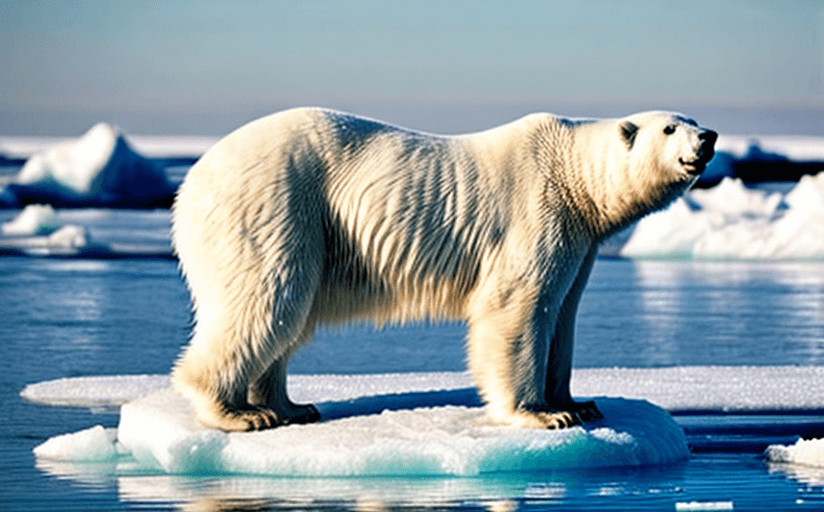
One of the most visible changes in migratory patterns due to climate change has been seen in the Arctic. The warmer temperatures and melting ice caps have caused animals like polar bears, walruses, and seals to change their migratory patterns as they search for food. Penguins in the Southern Hemisphere are also being affected, as their breeding and feeding grounds are being disrupted due to a changing climate. These are just a few examples of species facing the consequences of climate change.
Other species are also being affected by climate change, which is causing them to migrate at different times of the year and to different locations. Arctic foxes, for example, are now migrating to more southern climates that provide food sources that were not available in their former habitats. Similarly, whales in the Pacific Ocean are now migrating further north as their food sources become more scarce.
Implications of Changes
The changes in animal migration patterns due to climate change have a ripple effect on the global environment. When species are unable to migrate to their traditional habitats, they are unable to feed and reproduce, which can lead to population declines. This can have a serious impact on ecosystems and can lead to an imbalance in the food web.
Furthermore, when animals migrate to new habitats, they can spread new diseases or disrupt the existing food chain. This can lead to further disruption of the environment and could even endanger species that are already struggling to survive.
Potential Solutions
In order to preserve the animals’ natural migration patterns and protect them from further disruption, there are a few potential solutions. One is to create protected areas where animals can migrate without fear of disruption or danger. Another solution is to create corridors between habitats, allowing animals to migrate safely between areas.
Finally, reducing emissions is essential in order to reduce the effects of climate change. This will help to slow or even reverse the changes in animal migration patterns and help to protect the environment and the animals that inhabit it.
Conclusion
Climate change is having a profound effect on the animal kingdom, and its impact on migratory patterns is undeniable. This article has looked into the different species of animals that have had to adapt to their changing habitats due to climate change, and has explored how their migratory patterns have been altered. The implications of these changes and how they are impacting the global environment have been discussed, as well as potential solutions that could help preserve the animals’ natural migration patterns and protect them from further disruption.













Comments
Leave a Comment