The Environmental Impact of Over-Tourism
Our planet's natural environment is under threat, and the cumulative impact of mass tourism poses a significant part of that threat. While tourism can have socio-economic benefits such as job creation and cultural exchange, the negative impacts on the environment can often outweigh these positives, particularly in cases of over-tourism. Increased footfall impacts fragile ecosystems, displaces local flora and fauna, and deteriorates world heritage sites.
Effects on Ecosystems, Flora and Fauna
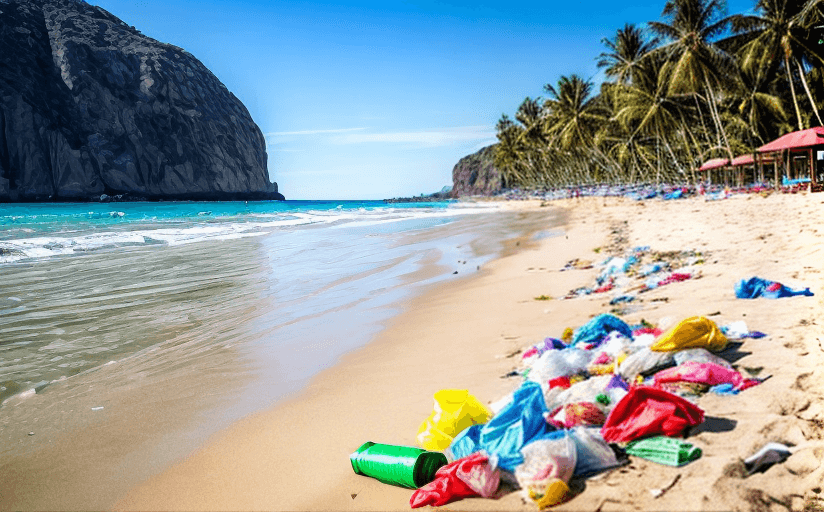
In regions heavily trafficked by tourists, natural ecosystems suffer heavily. As visitors flock to these areas, carrying pollution and waste along with them, the local flora and fauna struggle to cope. Noise, air and water pollution caused by tourism activities disrupt animal behaviors, often leading to diminished populations and biodiversity.
Case Study: Galapagos Islands
The Galapagos Islands, known for unique species that are not found anywhere else in the world, has been heavily affected by over-tourism. Litter, pollution and even the unwitting introduction of non-native species by tourists have led to marked decreases in numbers of indigenous species.
Fallout for World Heritage Sites
World Heritage Sites are also at risk from over-tourism. Many of these sites were not built to endure the enormous footfall they currently experience, leading to physical degradation.
Case Study: Machu Picchu
The ancient Incan city of Machu Picchu in Peru has been one of the casualties of over-tourism. The stone pathways and structures, never meant to accommodate the mass of tourists visiting daily, are eroding and deteriorating rapidly.
Protective Measures
Many environmentalists propose protective measures, including limiting visitor numbers, implementing stricter regulations on waste disposal, and investing in education and awareness programs for tourists. Moreover, placing greater priority on local community benefit rather than corporate profit can help to resolve the damaging effects of over-tourism.
Striking a Balance: Potential Solutions
The challenge lies in balancing the considerable economic benefits of tourism with preservation of the natural environment. Alternatives such as ecotourism or sustainable tourism suggest a way forward. These practices emphasize low-impact visits, respect for local cultures and support for local economies.
In conclusion, while over-tourism poses a significant environmental risk, through innovative measures and a shift in mindset, it is possible to both preserve our world's extraordinary natural habitats and heritage sites, and enjoy them as tourists.


















Comments
Leave a Comment