An Evolution in Entertainment: The Implication of Virtual Reality Technology
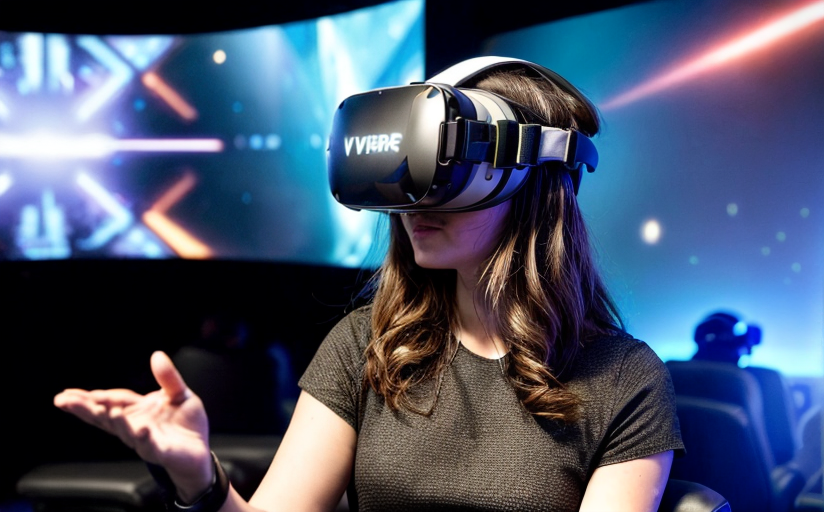
As technology evolves, the entertainment industry continues to adapt, creating new methods for delivering content to consumers. One innovation leading the way is virtual reality (VR). Once confined to science fiction, VR technology is becoming commonplace, offering immersive experiences that may revolutionize entertainment.
The Landscape of Virtual Reality in Entertainment
Virtual reality offers a new way of perceiving media by simulating interactive environments that can be experienced in a seemingly physical way. This technology has infiltrated various forms of entertainment, including video games, films, and music.
Virtual Reality in Video Games
Video games stand at the forefront of VR application, enhancing interactivity and immersion. Games like 'Half-Life: Alyx' and 'Beat Saber' exploit VR's potential by allowing players to move within the game environment, touch objects, and interact naturally with the game world.
The Impact of VR on Film Industry
Within the film industry, VR provides the opportunity to immerse the audience within the story fully. The film CARNE y ARENA by Alejandro González Iñárritu, a virtual reality installation that situates the viewer directly into the narrative of migrants crossing the US-Mexico border, showcases this potential brilliantly.
Virtual Reality Meets Music
In music, VR technology enables artists to connect with their audience in unprecedented ways. Virtual concerts like those from rapper Travis Scott in Fortnite or Billie Eilish's 'Where Do We Go?' livestream concert demonstrate the potential for immersive, interactive musical experiences.
The Pros and Cons of VR in Entertainment
Like any innovation, VR brings both potential benefits and drawbacks. The immersion and realistic simulation offered by VR technology can make experiences more engaging and interactive, but there are concerns about the physical effects of prolonged exposure to VR environments and potential isolation from real-world social interaction.
Expert Opinions and Statistical Data
Experts predict huge growth potential for virtual reality in the entertainment sector. According to a report by PwC, the global virtual reality market is expected to reach a volume of $1.5 trillion by 2030. In addition, Allied Market Research suggests that the VR content creation market will see a compound annual growth rate of 77.0% from 2021 to 2027.
With these estimated figures, it's clear that VR technology is gradually becoming a mainstay in the entertainment industry. As pioneers continue to innovate, one can only imagine where this immersive technology will take us next.


















Comments
Leave a Comment