The Influence and Impact of Classical Music on Video Game Soundtracks
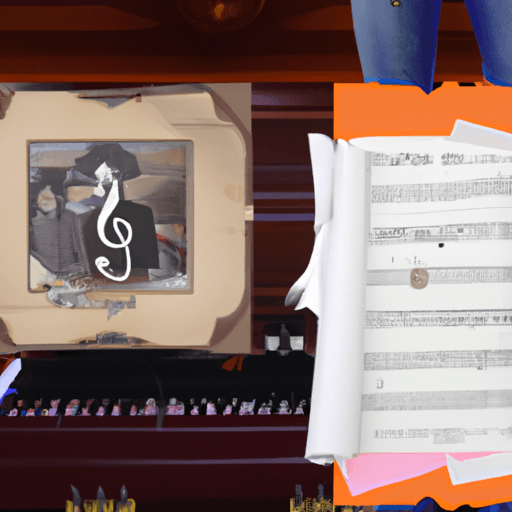
Over the years, classical music has greatly influenced and shaped the soundtracks of many video games. This marvelous fusion of the ancient and the futuristic art forms has enhanced the gaming experience and added depth to storytelling. This article explores this fascinating subject from a historical perspective, studying how the ground-breaking games started this trend and how it has evolved over the years.
Historical Perspective
The relation between video games and classical music can be traced back to pioneering games like ‘Final Fantasy’ and ‘The Legend of Zelda’. These games were among the first to introduce elements of classical music into their soundtracks, effectively leveraging the emotive power of music to elevate gaming experience.
Psychological and Emotional Impact
Classical music has the power to evoke a whole spectrum of emotions and deeply impact the psyche. In video games, it is deployed strategically to create appropriate moods and atmospheres, such as suspense, joy, sadness, or exhilaration. The musical motifs become recognizable to the players, building emotional connections and triggering specific mental reactions that enhance their gaming experience.
Renowned Composers and Games
Composers like Nobuo Uematsu and Koji Kondo who worked on games like ‘Final Fantasy’ and ‘Super Mario Bros’ respectively, created timeless scores using both classical and modern musical influences. More recent games like ‘The Elder Scrolls V: Skyrim’ and ‘Witcher 3: Wild Hunt’ have also utilized classical music to extraordinary effect.
Classical Music in Contemporary Gaming
Classical music plays a significant role in contemporary gaming, often serving as the backbone for atmospheric storytelling. It fosters immersion, creating a sense of space and time that is essential to the gaming narrative. Today, many games even feature virtual orchestras playing classical pieces, testifying the genre's prevalent influence.
Challenges in Incorporating Classical Scores
Despite its rewards, incorporating classical music into games comes with a set of unique challenges. Composers have to create engaging and adaptive music that resonates with game’s setting and narrative, withstands repetition and matches with the game’s pace - all while maintaining the traditional essence of a classical score.
The Future Outlook
With technological advances and an expanding audience with diverse musical tastes, the incorporation of classical music in games is likely to continue growing. In future, we may witness interactive soundtracks that respond to player actions with corresponding shifts in music and the exploration of diverse and underrepresented periods and styles of classical music.











Comments
Leave a Comment