Minimalist Lifestyle and Mental Health: An In-depth Exploration
Minimalism, a lifestyle concept born out of the clutter and excess of modern living, has become increasingly popular. Although it can be described in many ways, at its core, minimalism is about living with less physical and mental clutter, focusing on what truly matters. Importantly, research has shown that this lifestyle can significantly impact mental health in positive ways, particularly with regards to stress, anxiety and depression.
Understanding Minimalism
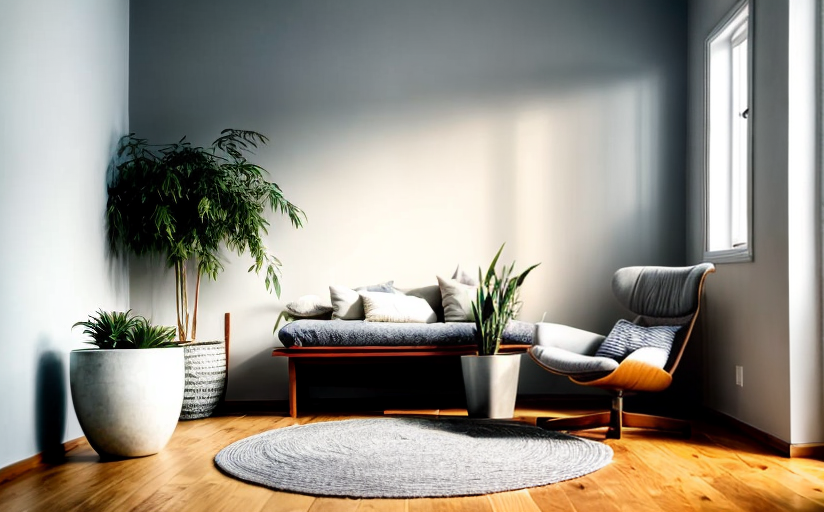
Minimalism is a lifestyle that emphasizes simplicity, functionality, and order. By reducing physical clutter and distractions, proponents of minimalism argue that it allows individuals to focus on the things that truly matter, such as relationships, passions, and personal growth. It stands as an antidote to consumer culture’s push for more — more items, more choices, more stress.
How Minimalism Impacts Mental Health
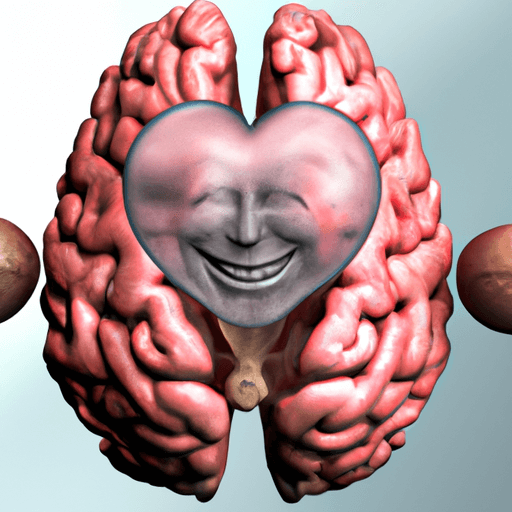
Psychologists and mental health professionals have studied the impact of physical spaces on our mental state. A cluttered space has been found to increase stress and anxiety, and can even contribute to feelings of depression. According to a study from Princeton University's Neuroscience Institute, clutter can overload the visual cortex and interfere with the brain's ability to process information.
In contrast, adopting a minimalist lifestyle and maintaining organized, uncluttered spaces can lead to improved mental health. A survey conducted by researchers from Australia’s Deakin University found that individuals who lived in clutter-free spaces reported lower levels of psychological distress.
Practical Steps to Adopting a Minimalist Lifestyle
- Start slowly: Begin by decluttering a single area of your home, such as a desk or wardrobe. Small victories can provide the motivation to tackle larger projects.
- Keep only what you need: If you haven’t used an item in a year, you probably don’t need it. Hold on to things that are truly essential or bring you joy.
- Quality over quantity: Opt for items of higher quality that will last longer, rather than inexpensive items that need to be replaced frequently.
- Budget mindfully: Create a budget that prioritizes needs over wants. This will also help reduce financial stress.
Considerations and Balance
While there are many benefits to adopting a minimalist lifestyle, it’s also important to acknowledge potential drawbacks. Too rigid an approach can cause stress of its own and lead to feelings of deprivation. Therefore, balance is key. Minimalism should not be about imposing strict rules, but about promoting a sense of peace and fulfillment. Stick to what feels right for you, and remember that the ultimate goal is to improve your mental health and happiness.










Comments
Leave a Comment