Transforming Agriculture through Technology: A Dive into Sustainable Farming Practices
Technology is increasingly taking center stage in promoting sustainable agriculture, heralding a new era of efficiency, productivity, and environmental conservation. This article explores the myriad ways technology is revolutionizing the agriculture sector, examining evolving technologies such as smart farming, robotics, drone technology, and precision agriculture.
The Role of Technology in Sustainable Agriculture
Smart Farming Technologies
Smart farming technologies are central to achieving sustainable farming. These approaches involve the use of Internet of Things (IoT) devices, data analytics, and Artificial Intelligence (AI) to monitor crop and livestock conditions, hence enabling farmers to make informed decisions that maximize output while minimizing resource use.
Robotics in Agriculture
Robotics is another tech-driven innovation shaping agriculture. Robots are used in various farm operations like planting, weeding, and harvesting, increasing precision and saving time. Robotics use aids in waste reduction and boosts yield by ensuring only ripe crops are harvested and reducing crop damage.
Drone Technology
Drones, also known as Unmanned Aerial Vehicles (UAVs), are increasingly used for crop monitoring, mapping, and spraying. They play an essential role in precision agriculture by providing accurate and timely data about crop health, soil moisture, and pest infestation, contributing to better pest management and optimal water usage.
Precision Agriculture
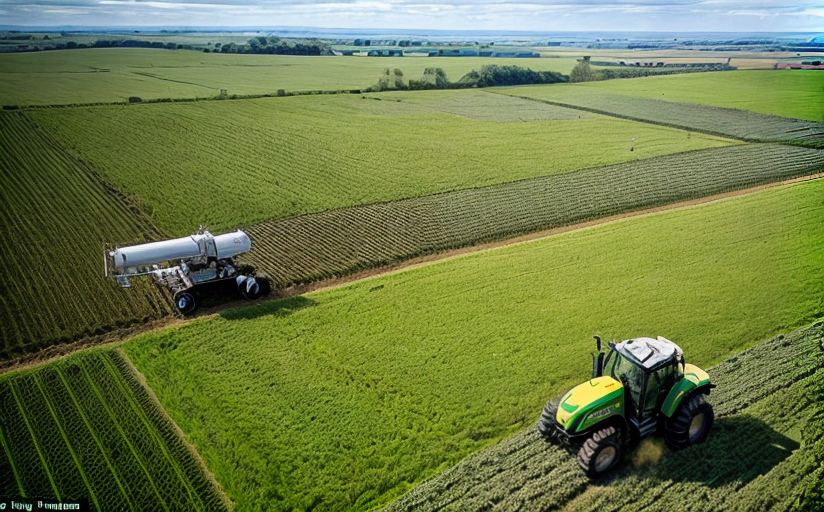
Precision agriculture focuses on optimizing the efficiency of farm inputs through the precise application of these resources. It uses advanced technologies like geospatial tools and sensors to collect and analyze data. It plays a crucial role in enhancing soil fertility, optimizing water usage, reducing waste, and increasing overall productivity.
Challenges and Potential Solutions
Despite the demonstrated benefits of integrating technology in agriculture, certain challenges exist. These include high cost of technology, lack of knowledge and skills, and limited internet connectivity in rural areas. However, investing in farmer training, improving rural internet connectivity, and facilitating access to affordable financing options can help to overcome these challenges.
Future Trends
Looking to the future, we anticipate constant advancements and an increase in the integration of technology in sustainable farming techniques. Examples of potential innovations include AI for predicting weather and soil conditions, blockchain for agricultural supply chain traceability, and more advanced robotics for various farming operations. The future of sustainable agriculture lies in embracing these technological advancements.
















Comments
Leave a Comment