Exploring the Pros and Cons of Eating Processed Foods
Processed foods are a major part of the average person’s diet, but there are both pros and cons associated with eating these foods. From the potential health benefits and risks to the environmental impact, this article will examine the different types of processed foods available, as well as strategies to reduce the amount of processed foods in the average person’s diet.
Types of Processed Foods
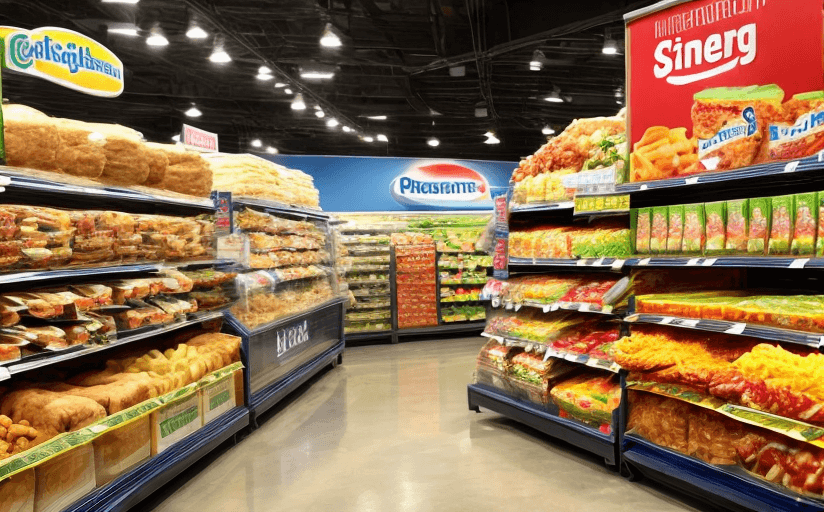
Processed foods are defined as any food that has been altered in some way from its natural state. This includes anything from pre-packaged meals and snacks to canned and frozen foods. Common examples of processed foods include breakfast cereals, instant noodles, canned soups, packaged snacks, frozen dinners, and many more. While some processed foods can be beneficial for convenience and cost, most are high in calories, sugar, sodium, and fat, and are usually low in essential vitamins and minerals.
Pros of Eating Processed Foods
The major pro of eating processed foods is the convenience factor. Pre-packaged and frozen meals can be cooked in minutes, and snacks are easy to grab on the go. Processed foods are also typically cheaper than fresh foods, making them more accessible to those on a budget. Additionally, some processed foods are fortified with added nutrients, such as iron or calcium, that may be beneficial for those who don’t eat enough fresh produce.
Cons of Eating Processed Foods
The main con of eating processed foods is the health risks associated with them. Processed foods are typically high in calories, sugar, sodium, and fat, and are low in essential vitamins and minerals. Consuming too much of these foods can lead to weight gain, high blood pressure, and other health problems. Additionally, many processed foods contain artificial ingredients, which can be hard for the body to process and can cause allergic reactions.
Environmental Impact of Processed Foods
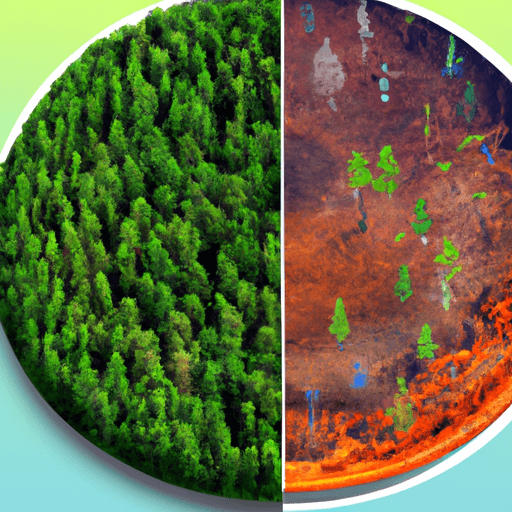
Processed foods also have an impact on the environment. The packaging and transportation of processed foods require energy and resources, which can harm the environment. Additionally, many processed foods contain artificial ingredients that can be difficult to break down and can pollute the environment.
Strategies to Reduce Processed Foods
While processed foods can be convenient and often cheaper, it is important to limit the amount of processed foods in your diet. One strategy is to incorporate more fresh fruits and vegetables into your meals and snacks. You can also look for healthier options when buying processed foods, such as whole-grain breads and cereals, and low-sodium canned items. Additionally, you can try to cook more meals at home, as this will help reduce your intake of processed foods.
Conclusion
Processed foods can be a convenient and cost-effective option, but it is important to be aware of the potential health risks and environmental impact associated with these foods. To reduce your intake of processed foods, try to incorporate more fresh fruits and vegetables into your meals, look for healthier options when buying processed foods, and cook more meals at home. By taking these steps, you can improve your overall health and help protect the environment.













Comments
Leave a Comment