Exploring How Artificial Intelligence Has Impacted Human Employment in the 21st Century
The 21st century has been marked by the rapid advancement of Artificial Intelligence (AI) technology. AI has transformed many aspects of human life, including employment and job prospects. As AI continues to evolve, it has the potential to both create and replace jobs in the workforce, leading to unique advantages and disadvantages.
Advantages of AI in the Workforce
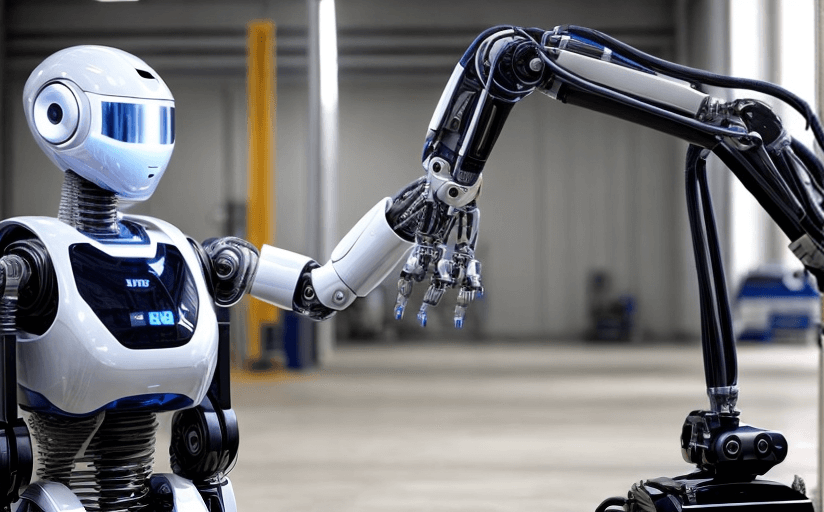
One of the primary advantages of AI in the workforce is its ability to automate mundane and repetitive tasks. This can lead to higher efficiency and productivity, allowing businesses to operate with fewer employees. AI can also help to reduce errors and increase accuracy in data analysis and other decision-making processes. Additionally, AI can be used to augment human intelligence, allowing humans to take on more complex tasks and reach greater heights of productivity.
Disadvantages of AI in the Workforce
While AI can automate many tasks, it also has the potential to take over jobs that were previously held by humans. This can lead to displacement of workers and a decrease in job opportunities. Additionally, AI is still in its early stages and is prone to errors and mistakes. This can lead to unreliable results, which can have disastrous consequences in the workforce.
The Future of AI in the Workforce
As AI continues to develop, it will likely have a major impact on the future of employment and job prospects. AI will likely continue to create new job opportunities and augment traditional roles. However, AI will also likely lead to further automation of certain tasks, potentially leading to job displacement. It is important to recognize the potential advantages and disadvantages of AI in the workforce and develop strategies to ensure that AI is used responsibly.











Comments
Leave a Comment