Exploring the Advantages and Disadvantages of Consuming Processed Foods
Processed foods are a major part of the modern diet. They are convenient, affordable, and can provide much needed nutrition to people on busy schedules. However, there are also many potential drawbacks to consuming processed foods, including health risks, environmental impacts, and a lack of whole foods. In this article, we will explore the advantages and disadvantages of processed foods, looking at their health effects, cost-effectiveness, and environmental impact. We will also offer some tips on how to make smarter choices when selecting processed foods.
The Health Effects of Processed Foods
Processed foods can have both positive and negative impacts on our health. On the one hand, processed foods are often fortified with essential vitamins and minerals, which can make them a great option for people who have limited access to fresh fruits and vegetables. In addition, processed foods can provide much-needed nutrition to busy individuals who may not have time to cook meals from scratch. On the other hand, processed foods can contain high levels of sodium, sugar, and unhealthy fats, which can lead to an increased risk of health problems such as heart disease, diabetes, and obesity.
The Cost-Effectiveness of Processed Foods
Processed foods are often more affordable than fresh, whole foods. This makes them a great option for people on a budget who need to stretch their food dollars. However, it is important to remember that processed foods are not always the most cost-effective option. The cost of processed foods can quickly add up, and they may not provide the same nutritional value as fresh, whole foods.
The Environmental Impact of Processed Foods
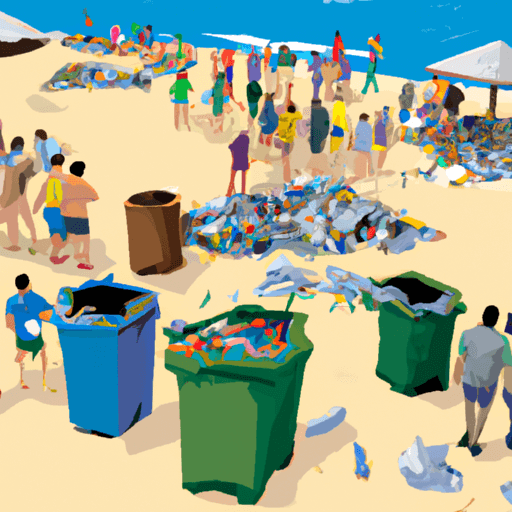
Processed foods are typically made with ingredients that have been industrially produced, which can have a negative impact on the environment. The production of these ingredients, as well as the packaging used for processed foods, can lead to pollution and other environmental concerns. Additionally, the transportation of processed foods from one location to another can lead to an increased use of fossil fuels.
Tips for Making Smarter Choices When it Comes to Processed Foods
Making smarter choices when it comes to processed foods is not always easy, but there are some steps you can take to ensure that you are making the best decisions for your health and the environment. Here are some tips to keep in mind:
- Look for products with minimal ingredients and few preservatives.
- Opt for whole grains over refined grains.
- Choose low-sodium options whenever possible.
- Look for organic or locally-sourced products.
- Opt for fresh fruits and vegetables instead of processed snacks.
- Read nutrition labels carefully and compare products.
Processed foods can be a convenient and affordable option for busy individuals, but it is important to be aware of the potential risks associated with these products. By following the tips above, you can make smarter choices when it comes to selecting processed foods and ensure that you are making the best decisions for your health and the environment.

















Comments
Leave a Comment