Climate Change & Human Health: A Global Challenge
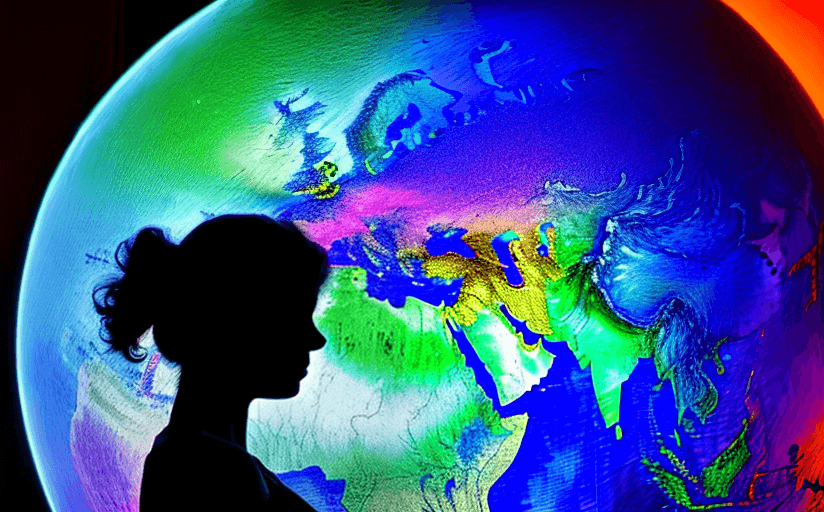
Climate change is a fundamental challenge facing the world today and its impacts are far-reaching. One of the most pressing issues is the impact of climate change on human health. Recent scientific research has identified a number of ways in which global warming is affecting physical and mental health, as well as altering the landscape of healthcare. This article will explore the ways in which climate change is impacting human health around the world and consider the implications for the future of medical care.
Physical Health Risks
Rising temperatures and extreme weather events – both of which are associated with climate change – have a number of direct impacts on human health. Heat waves can be particularly dangerous, increasing the risk of heat exhaustion, dehydration and other heat-related illnesses. In addition, air pollution levels tend to increase during heat waves, further exacerbating the health risks. In addition, extreme weather events such as floods, hurricanes and drought can also have a profound impact on human health, leading to water-borne illnesses, injury and displacement.
Mental Health Effects
Climate change can also have a significant impact on mental health. The psychological effects of extreme weather events and natural disasters can be profound, leading to feelings of anxiety, depression and post-traumatic stress disorder. In addition, the uncertainty and fear associated with a changing climate can also lead to negative mental health outcomes, particularly in vulnerable populations.
Changing Healthcare Landscape
The changing climate is also having a major impact on the healthcare system. As the severity and frequency of extreme weather events increase, so too does the demand for medical care. This can lead to increased pressure on existing healthcare systems, as they struggle to cope with the surge in demand. In addition, the spread of infectious diseases associated with climate change is also a major concern, with some experts predicting a rise in vector-borne diseases such as malaria and dengue fever.
The Future of Medical Care
The effects of climate change on human health are already being felt around the world and it is likely that these impacts will only become more severe in the future. It is therefore essential that healthcare systems are prepared for the challenges that lie ahead. This may involve investing in new technologies and treatments to better manage the health risks associated with climate change, as well as developing new strategies to support vulnerable populations.
Climate change is a global challenge and its impacts on human health cannot be ignored. It is essential that we recognize the ways in which global warming is affecting human health and take proactive steps to mitigate these impacts. By doing so, we can ensure that the future of medical care is one that is prepared to meet the challenges of a changing climate.














Comments
Leave a Comment