Exploring Marine Bioluminescence: An Illuminating Marine Phenomenon
Introduction
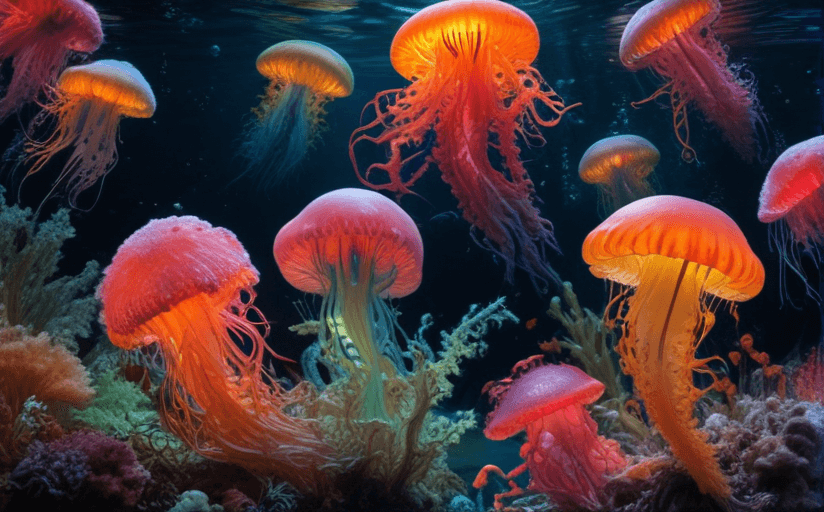
Bioluminescence, the intriguing phenomenon where marine organisms emit light, is not just a spectacle of nature but also a vital element in marine ecosystems. It has diverse roles ranging from stimulating food production, aiding predator-prey interactions, to facilitating communication between marine species. This light-emitting characteristic significantly impacts the biodiversity of the marine ecosystem.
Role of Bioluminescence in Marine Ecosystem
Food Production and Predator-Prey Interactions
Bioluminescent marine organisms, most of which are phytoplankton and zooplankton, form the base of marine food chains. Their bioluminescence is a survival strategy that helps them evade larger creatures and predators. They release a flash of light when disturbed, startling the predator to aid their escape. Organisms such as the anglerfish use bioluminescence as a lure to attract unsuspecting prey.
Communication Between Marine Species
The depths of the ocean are predominantly dark, making visual communication vital. Marine animals use bioluminescent signals to communicate with members of their own species for mating, identifying potential mates, and establishing territories. This interaction largely contributes to marine organism diversity.
Threats to Bioluminescence and Its Ramifications
Today, bioluminescence faces significant threats from human activities like ocean pollution, over-fishing, and climate change. These activities directly impact the survival of marine organisms capable of bioluminescence, thereby affecting the biodiversity of marine ecosystems.
Conservation Strategies
Addressing the threats posed to bioluminescence requires broad-scale changes. Efforts must include curbing pollution, implementing strict regulations on fishing, and adopting sustainable practices to combat climate change, might ensure the preservation of this beautiful phenomenon and the biodiversity it supports.
Ongoing Research and Potential Applications
Bioluminescence holds the promise of numerous applications in the fields of biotechnology, medicine, and other industries. Ongoing research includes exploring the genetic mechanisms of bioluminescence, developing bio-lights for low energy lighting solutions, and studying bioluminescent organisms to create new medical imaging techniques.
Conclusion
Marine bioluminescence is more than an underwater light show. It is a vital component of marine ecosystems, and protecting it is integral to the health of our oceans. Continued research and conservation efforts will undoubtedly reveal fascinating opportunities for the future.
















Comments
Leave a Comment