The Impact of Virtual Reality in eSports
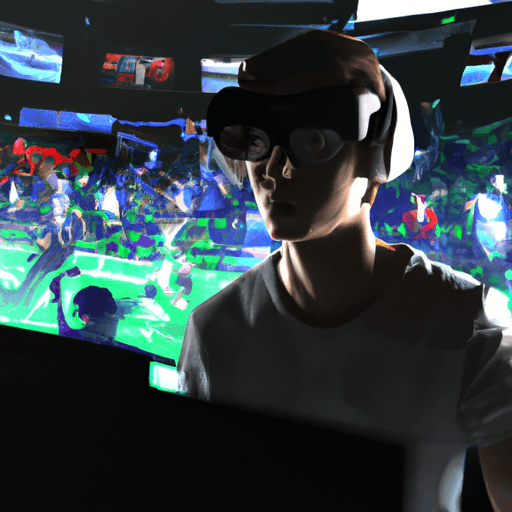
As VR technology continues to advance and become more ingrained in our everyday life, it is on course to not just influence, but potentially transform the landscape of eSports. Until now, eSports has primarily been experienced through sitting behind a screen, where gamers engage in competitive gameplay around the globe. However, with the integration of VR technologies, we may witness a tectonic shift in the arena of eSports.
Potential Benefits, Challenges, and Consequences
It goes without saying that the combination of VR and eSports has vast potential. One of the key benefits is increased immersion for players and spectators. The audience can have a first-hand experience of the events and actions taking place in the game. However, this combat-inspired vision for eSports is not without its own set of concerns. For instance, it raises questions about the physical demand that would be placed on players who usually sit during the game. There are also potential safety issues, as players may harm themselves or others while playing in VR.
Innovative Approaches by Companies
Many gaming firms are already getting ahead of these challenges. Companies such as Oculus and Valve are exploring new ways to blend VR and eSports, keeping safety and comfort in focus. Moreover, Microsoft's 'HoloLens' illustrates how augmented reality (AR) and VR could converge to create a completely immersive and safe eSports environment.
The Industry's Future Perspective
The integration of VR technologies in eSports has far-reaching implications. More immersive games might lead to more engaged audiences, potentially boosting revenues for game developers and eSports organizations. However, gamers and fans could face higher barriers to entry due to the expensive nature of VR gear.
Stakeholders’ Perspectives
Each stakeholder in the eSports ecosystem has distinct perspectives on this technological transition. Game developers see an opportunity to create more immersive, engaging experiences. Players might appreciate the improved gaming experience but might also have concerns about increased physical demands. Fans may enjoy new, immersive viewing experiences but could be challenged by higher price points for access. Meanwhile, eSports organizations see significant monetary potential but also must weigh the potential risks and regulatory considerations tied to integrating VR.
In conclusion, the integration of VR into eSports has the potential to revolutionize the industry. It will bring new challenges, but if addressed effectively, could lead to an exciting, immersive future for eSports.
















Comments
Leave a Comment