The Impact of Virtual Reality Technology on Modern Education
In recent years, an innovative technology dubbed virtual reality (VR) has made astounding strides not only in gaming and entertainment realms, but its influence permeates various sectors, including education. This article seeks to explore the integration of VR technology in classrooms, its benefits for learners and educators, its influence over conventional learning techniques, and the potential hurdles and impediments in assimilating VR in education.
VR in Classrooms: Beyond Traditional Learning
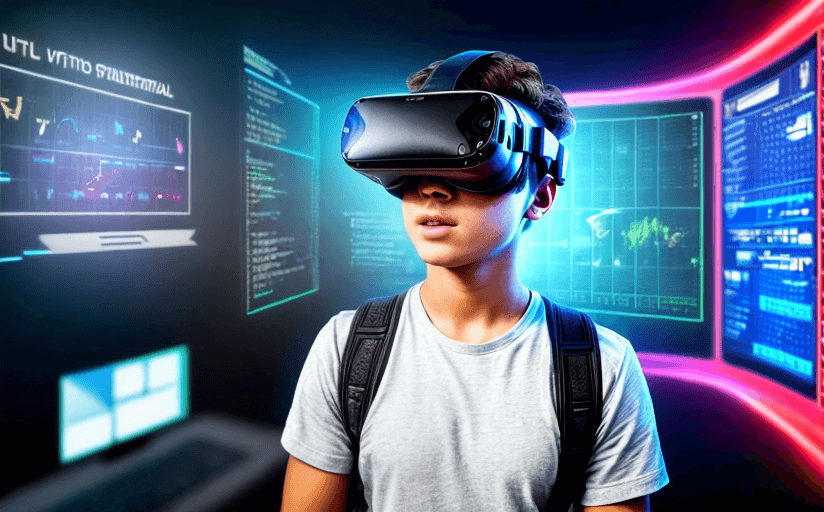
Virtual reality devices such as Oculus Rift, Google Cardboard among others, are gradually making their way into classrooms. These tools promise an immersive form of learning, transforming simple lessons into remarkable virtual tours. For instance, instead of reading about Rome, students can virtually visit the Roman Colosseum and explore its historical relevance first-hand. This immersive and interactive tech opens up a vast universe of endless possibilities.
Benefits for Students and Teachers
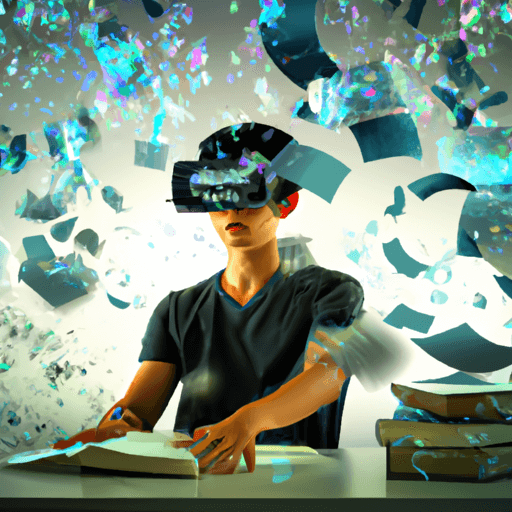
VR technology offers a plethora of advantages. For students, the immersive nature of VR allows for a higher level of understanding and retention of information. More so, it caters to diverse learning styles - visual, auditory, and kinesthetic. This technology also fosters engagement, as students are no longer passive recipients of knowledge, but active explorers in their learning journey.
For teachers, VR can be a potent instructional tool. It can simplify complex topics, making them easily understandable; it provides a safe environment for practical lessons where real-world application may pose risks. As an example, medical students can use VR to perform virtual surgeries.
Influence on Traditional Learning Methods
The implementation of VR is progressively reshaping the landscape of traditional learning methods. Gone are the days of one-size-fits-all lectures; VR caters to the pace and style of individual learners, making personalized learning a reality. The former passive forms of learning are gradually becoming interactive and engaging, changing education's dynamics and making it more learner-centered.
Potential Challenges and Limitations
Despite the vast potential VR holds, there are challenges. Primary hurdles remain its cost and accessibility. High-quality VR devices are expensive and may not be affordable for many schools, plus not everyone may have access to the necessary hardware at home. Also, there might be a health concern for prolonged use of VR, including nausea and eye strain. Lastly, as with any technology, there is a learning curve for both students and teachers.
Concluding Thoughts
The impact of VR technology on education is transformative and cannot be understated. With cautious optimism, the ed-tech industry should continue to explore VR's potential while addressing its limitations. After all, in the rapidly evolving world of education, embracing such innovations is no longer a mere option but a necessity.











Comments
Leave a Comment