Climate Change and Animal Migration Patterns
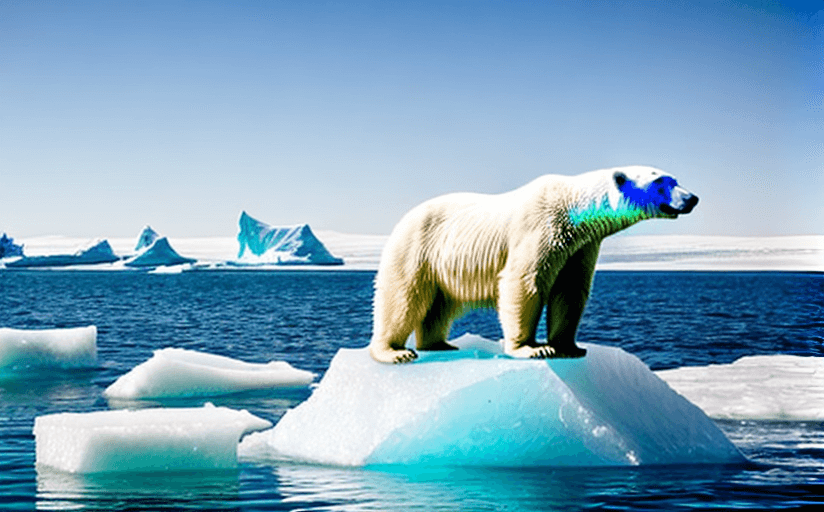
Climate change is impacting numerous species across the globe, causing shifts in animal migration patterns. As global temperatures rise, animals are forced to adapt to their changing environments, often by migrating to areas with cooler temperatures and more hospitable habitats. Species that rely on seasonal migration, such as birds, marine animals, and large mammals, are especially vulnerable to the effects of climate change.
What Species are Most Affected?
Birds are perhaps the most impacted species when it comes to climate change and migration patterns. A recent study by the journal Science found that over 60 percent of bird species are shifting their migratory routes in response to changing temperatures. This includes species such as the American robin, which is now migrating to its winter habitat nearly two weeks earlier than in the past. Other species are shifting their migratory patterns in the opposite direction, staying longer in areas with warmer temperatures.
Marine mammals, such as whales and dolphins, are also being impacted by climate change. Many species of whales are migrating farther north to find cooler waters, while dolphins are shifting their migration patterns away from areas affected by ocean acidification. Large mammals, such as caribou, are also changing their migratory routes in response to the changing climate, often leading to conflicts with humans as they traverse through areas inhabited by people.
Potential Consequences of Migration Changes
The consequences of these changes in migration patterns can be significant and far-reaching. For birds, shifting migratory routes can cause disruptions in their breeding and nesting cycles, resulting in fewer offspring. For marine mammals, changes in migration patterns can lead to an increased risk of ship strikes and entanglement in fishing gear. For large mammals, shifting migratory routes can lead to conflicts with humans as they traverse through inhabited areas, resulting in habitat loss and potential danger to both humans and animals.
Climate change is also having an effect on the timing of animal migrations. Many species are now arriving at their winter habitats too late, causing them to miss out on the food and resources available during their migration. This can have a negative impact on the health and survival of the species, leading to a decrease in their populations.
Conclusion
Climate change is having a profound impact on animal migration patterns, causing species to change their routes and timing in order to adapt to their changing environment. Birds, marine mammals, and large mammals are particularly vulnerable to the effects of climate change, and if these changes continue, the consequences could be devastating for these species. It is imperative that we act now to reduce our contribution to climate change, in order to ensure the survival of these species for generations to come.














Comments
Leave a Comment