Exploring the Potential Positive and Negative Effects of Social Media Use on Mental Health
Social media has become an integral part of many people's lives. While it can offer a platform to connect with family and friends, share experiences, and stay informed, it can also have a negative impact on mental health. This article will explore the potential positive and negative effects of social media use on mental health, analyze how the use of social media can both benefit and harm our mental well-being, and discuss strategies to help individuals balance their social media use.
Positive Effects of Social Media Use on Mental Health
Social media can have a range of positive effects on mental health. Social media can provide a platform to connect and interact with others, which can help individuals feel more connected and engaged. It can also provide an outlet for self-expression and allow individuals to share their thoughts and feelings with others. Additionally, social media can be used to access helpful resources, such as mental health awareness campaigns, support groups, and online counseling services.
Negative Effects of Social Media Use on Mental Health
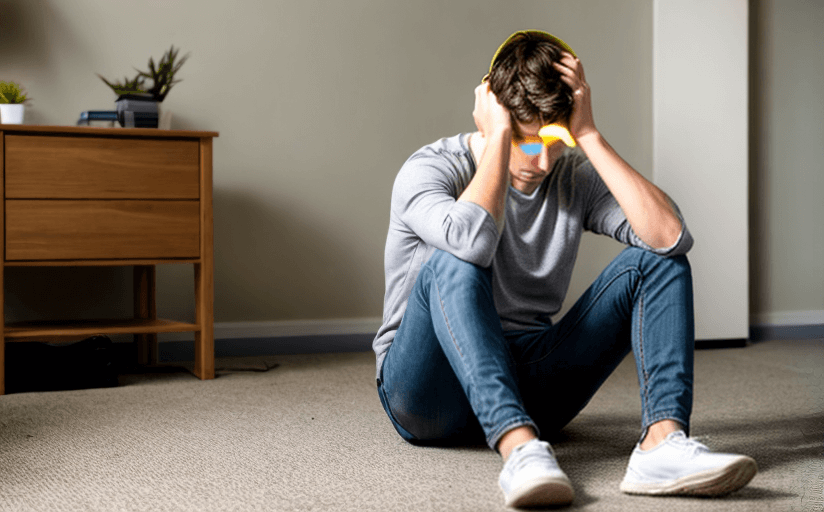
However, social media use can also have negative effects on mental health. It can cause individuals to feel isolated, inadequate, and overwhelmed. People can develop feelings of envy and frustration when comparing themselves to others online, and can become addicted to the validation they receive from likes and comments. Additionally, social media can be a platform for cyberbullying, which can lead to anxiety, depression, and other mental health issues.
Impact of Social Media Use on Different Age Groups
The impact of social media use can vary across different age groups. Young adults and teenagers are particularly vulnerable to the negative effects of social media use, such as feelings of inadequacy and isolation. Older adults may be more vulnerable to the potential risks of online fraud and scams. It is important to be aware of the potential impact of social media use on mental health, regardless of age.
Strategies to Balance Social Media Use
In order to balance social media use and protect mental health, it is important to be aware of how much time is being spent on social media, and to be mindful of how it is impacting feelings and emotions. Setting boundaries around social media use, such as limiting the time spent online or setting specific days to take a break from social media, can help individuals stay in control of their use. Additionally, taking part in activities that promote positive mental health, such as exercise, spending time outdoors, and engaging in meaningful conversations with friends and family, can help to reduce the potential negative impacts of social media use.
Conclusion
Social media can have both positive and negative effects on mental health. It is important to be aware of the potential impact of social media use and to implement strategies to help individuals balance their social media use. By being mindful of how social media use is impacting feelings and emotions, and by engaging in activities that promote positive mental health, individuals can reduce the potential negative impacts of social media use.















Comments
Leave a Comment